
Audit Services UAE for Automotive Companies | Vehicle Inventory, Dealer Margin and Floor-Plan Control
UAE Automotive Sector Where Vehicle Sales and Dealer Economics Meet
New vehicle deliveries, used-car sales, workshop labour, spare parts, fleet contracts and finance products create a multi-stream revenue model. Automotive profitability depends on disciplined control across every department.
Audits in the automotive sector help dealers, service centres, fleet operators and parts distributors identify financial risk across vehicle inventory, incentives, workshop revenue, warranty provisions and floor-plan finance.
Audit Services UAE supports UAE automotive businesses with structured financial oversight designed for high-value inventory, thin sales margins and complex manufacturer relationships.
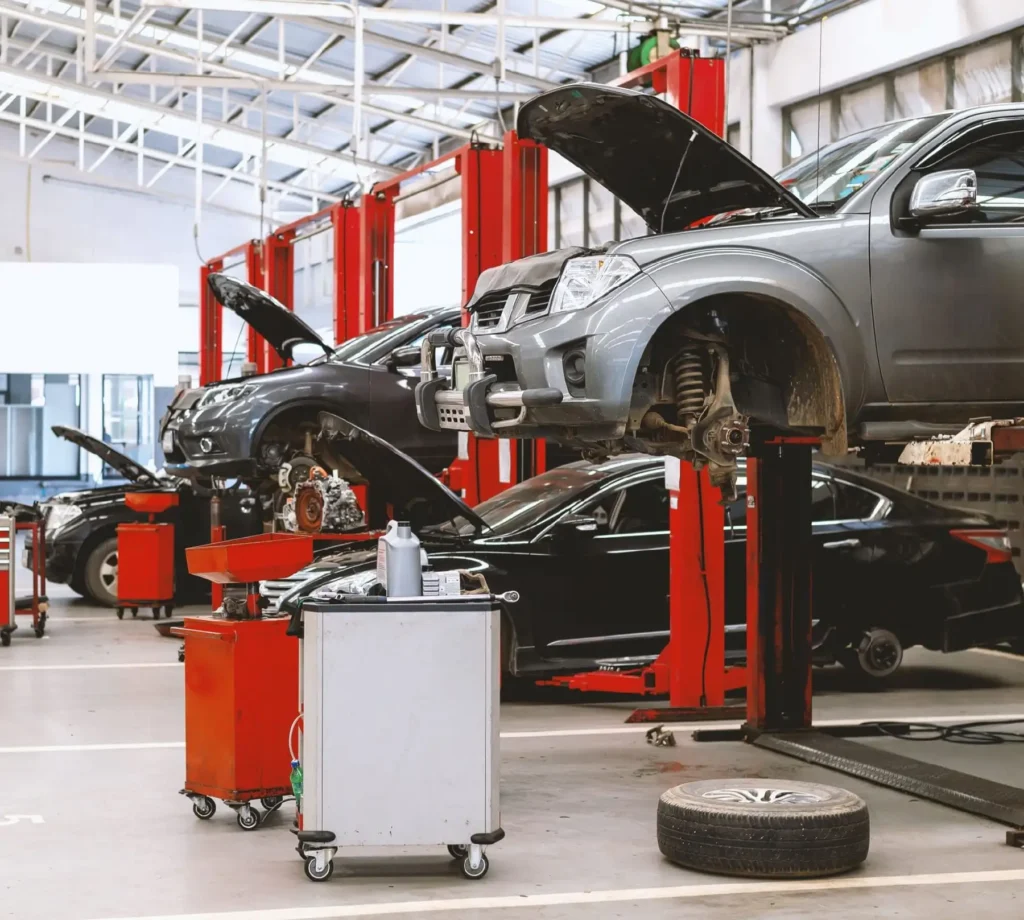
UAE Automotive Market Landscape
The UAE automotive market includes new vehicles, pre-owned cars, authorised after-sales services, parts distribution, leasing, fleet management and a growing electric vehicle segment. Dubai and Abu Dhabi remain major automotive retail centres.
Manufacturer networks, importer groups, franchise dealers and independent operators work across different revenue and cost models. Luxury, volume, fleet and commercial-vehicle businesses each carry different inventory, financing and compliance risks.
Audit services for automotive businesses should reflect these differences rather than applying one generic financial review across all vehicle-related operations.
UAE Automotive Ecosystem and Industry Participants
The UAE automotive sector connects manufacturers, importers, dealers, finance providers, workshops, leasing companies and customers. Each participant affects vehicle pricing, inventory, revenue recognition, service delivery and financial accountability.
Official Vehicle Importers and Distributors
Importers manage manufacturer relationships, vehicle allocation, warranty administration, dealer networks and brand representation. Inventory financing, incentives, warranty reserves and franchise reporting are their main financial-control areas.
Authorised New Vehicle Dealers
Authorised dealers earn through vehicle sales, finance products, workshops and spare parts. Their financial health depends on unit margins, floor-plan costs, incentive collection and departmental profitability.
Pre-Owned Vehicle Dealers and Certified Pre-Owned Programmes
Used-car businesses depend on appraisal accuracy, reconditioning costs, pricing and inventory turnover. Aged vehicles can quickly lose value and require realistic net realisable value assessment.
Fleet and Leasing Companies
Fleet companies earn lease income while managing depreciation, maintenance, residual values and vehicle disposal. Lease accounting, asset utilisation and remarketing controls directly affect profitability.
Automotive Parts Distributors
Parts distributors manage wide catalogues of OEM and aftermarket components. Fast-moving stock, obsolete items, manufacturer returns and inventory accuracy require close financial oversight.
Automotive Finance and Insurance Product Providers
Finance, insurance, warranties and service contracts generate high-margin income. Auditing for automotive sector operations reviews commission recognition, deferred income, customer disclosures and settlement controls.
Automotive Operations and Dealer Retail Model
A dealership operates new vehicle sales, used-car retail, workshop services, parts distribution and finance products under one roof. Each department has different margins, costs, controls and reporting requirements.
Dealership Department |
Financial Management Priority |
|---|---|
New Vehicle Sales
|
Floor-plan interest, manufacturer incentives, vehicle margin and stock ageing
|
Finance and Insurance F&I
|
Product penetration, margin accuracy, income recognition and compliance
|
Pre-Owned Vehicle Operations
|
Appraisal accuracy, reconditioning costs, days-in-stock and wholesale-loss control
|
Service Workshop
|
Technician efficiency, labour revenue, repair-order gross profit and warranty billing
|
Parts Department
|
Inventory turnover, fill rate, obsolescence provisions and manufacturer returns
|
Fleet and Leasing
|
Vehicle depreciation, residual value, maintenance costs and lease-portfolio control
|
Automotive Business Model and Revenue Drivers
Automotive dealerships rely on several connected revenue streams. Weak performance in one department can affect others, particularly when vehicle sales, service retention, parts demand and manufacturer incentives are closely linked.
New Vehicle Sales Revenue and Front-End Gross Profit
New vehicle income depends on the difference between invoice cost and customer selling price. Thin front-end margins make pricing discipline and manufacturer-incentive collection critical.
Manufacturer Incentive and Bonus Income
Volume bonuses, satisfaction awards and model incentives can form a major part of dealer profit. Accurate target tracking, programme documentation and accrual calculations are essential.
Finance and Insurance Product Income
F&I income includes finance commissions, warranties, insurance products and service contracts. Upfront commissions and deferred contract income must be recognised using appropriate revenue policies.
Service Workshop Revenue
Workshop income comes from labour, repairs, servicing and warranty work. Technician productivity, labour-rate compliance, repair-order completion and claim accuracy determine recurring service profitability.
Spare Parts and Accessories Revenue
Parts revenue is earned through workshop consumption, customer sales and fleet supply. Inventory turnover, attachment rates, obsolete stock and manufacturer-return claims influence margins.
Pre-Owned Vehicle Gross Profit
Used-vehicle profit depends on appraisal value, reconditioning cost, retail pricing and speed of sale. Poor stock ageing can turn apparent margins into losses.
Automotive Assets and Resource Management
Vehicle inventory is usually the largest working-capital asset in an automotive business. Floor-plan financing, market pricing, stock ageing and parts obsolescence require active management and accurate reporting.
New Vehicle Floor-Plan Inventory
Floor-plan funded vehicles create daily interest costs until sold. Internal audit for automotive sector reviews physical vehicle existence, financing balances, stock ageing and curtailment controls.
Pre-Owned Vehicle Inventory
Used vehicles carry market-value risk as prices decline with age, mileage and demand. Appraisal accuracy, reconditioning spend and disposal decisions directly affect profitability.
Spare Parts Inventory
Parts departments must manage FIFO, slow-moving stock, obsolete items and return claims. Inventory should be written down where demand or recoverable value has declined.
Service and Workshop Equipment
Vehicle lifts, diagnostic systems, tooling and calibration equipment require accurate depreciation, maintenance accounting and capital planning to maintain authorised service-centre standards.
Demonstrator and Courtesy Vehicle Fleets
Demonstrators and courtesy vehicles depreciate as mileage increases. Usage controls, disposal timing and residual-value monitoring determine the cost of maintaining these customer-service fleets.
UAE Automotive Regulatory and Compliance Environment
Automotive businesses operate under vehicle standards, consumer protection, finance, registration and anti-money-laundering requirements. Compliance failures can result in recalls, penalties, delayed delivery, income clawbacks and reputational damage.
UAE Type Approval and Vehicle Standards
Vehicles must meet UAE safety, emissions and technical standards before sale. Importers should retain type-approval records and ensure delivered vehicles match approved specifications.
Consumer Protection and Dealer Obligations
Dealers must meet disclosure, warranty and remedy obligations. Warranty-provision estimates should reflect historical claim patterns, vehicle quality and applicable customer commitments.
UAE Central Bank Consumer Finance Regulations
Dealer-arranged finance products require transparent disclosure and responsible selling practices. Non-compliant finance arrangements can create regulatory exposure and commission-clawback risk.
Vehicle Registration and Ownership Transfer Requirements
Vehicle registration, dealer plates, ownership transfer and modification requirements must be managed correctly. Process gaps can delay deliveries and create legal or financial liabilities.
AML Obligations for High-Value Vehicle Dealers
High-value vehicle dealers must maintain customer due diligence and suspicious-transaction controls. Automotive business audit services often assess AML files, monitoring procedures and staff awareness.
Automotive Industry Key Performance Indicators
Automotive KPIs show performance across sales, finance products, workshops, parts and inventory. They provide a more useful view of dealer economics than consolidated revenue and cost reporting alone.
KPI |
What It Reveals |
|---|---|
Total Gross Profit Per Retail Unit GPU
|
Combined vehicle, F&I and ancillary profit per sale
|
Finance and Insurance Penetration Rate
|
Proportion of sales generating finance or protection-product income
|
Service Labour Efficiency Ratio
|
Billed technician hours compared with attended hours
|
Parts Sales to Labour Revenue Ratio
|
Workshop parts attachment and aftersales revenue quality
|
Used Vehicle Days in Stock
|
Speed of used-vehicle turnover and valuation exposure
|
Floor-Plan Stocking Ratio
|
Average period new vehicles remain financed before sale
|
Warranty Claim Approval Rate
|
Quality of warranty-claim preparation and recovery
|
Customer-Pay Workshop Revenue Percentage
|
Strength of retained aftersales customer revenue
|
Automotive Benchmark and Performance Indicators
Benchmarking helps dealers identify weak unit margins, workshop productivity issues, floor-plan exposure, obsolete parts and slow-moving used vehicles before they affect reported profitability.
Benchmark Area |
UAE Automotive Performance Standard |
|---|---|
Total Gross Profit Per Retail Unit
|
Performance varies by luxury, volume and commercial-vehicle segment
|
Service Labour Efficiency
|
Authorised service centres commonly aim for technician efficiency above 85%
|
Parts Obsolescence Provision
|
Aged and slow-moving parts require realistic provisions based on demand
|
Floor-Plan Days for New Vehicles
|
Lower stocking periods reduce interest costs and inventory-value exposure
|
Used Vehicle Days in Stock
|
Faster turnover reduces market depreciation and reconditioning risk
|
UAE Automotive Industry Challenges
- Margin Compression on New Vehicle Sales: Competitive pricing makes manufacturer incentives and F&I income increasingly important to dealer profitability.
- Electric Vehicle Transition Economics: EVs can reduce traditional workshop and parts revenue while requiring investment in specialist equipment.
- Used Vehicle Market Volatility: Changes in supply, demand and new-vehicle pricing can quickly reduce used-car values.
- Floor-Plan Cost Management: High interest costs can erode new-vehicle margin when inventory remains unsold for extended periods.
- Warranty Claim Recovery: Poor documentation or delayed submissions can result in lost manufacturer reimbursement.
- AML Compliance Investment: Customer due diligence and monitoring requirements create continuing compliance costs for high-value vehicle dealers.
- Digital Retailing and Online Sales Pressure: Online configurators, digital finance and direct manufacturer channels are changing traditional dealer sales models.
UAE Automotive Risk Landscape
Automotive businesses face inventory-financing exposure, warranty liability, margin sensitivity and multi-department reporting complexity. The automotive audit industry evaluates risks that standard financial review may not fully identify.
Operational Risks: Vehicle-delivery delays, supply shortages, workshop-capacity limits and demonstrator accidents can reduce revenue and increase operating costs.
Financial Risks: Missed incentives, incorrect F&I recognition, weak used-car provisions, incomplete floor-plan interest and warranty under-accruals can distort reported results.
Compliance Risks: Type approval, consumer finance, AML and consumer-protection failures can create penalties, claim disputes and income clawbacks.
Strategic Risks: EV adoption, manufacturer dependence, luxury-market exposure and digital retailing can affect long-term dealer revenue and asset values.
Fraud and Integrity Risks in UAE Automotive Operations
Automotive fraud often involves floor-plan financing, incentives, workshop billing, parts inventory, F&I products and used-car appraisals. Strong operational evidence is essential for identifying irregularities.
Floor-Plan Fraud and Vehicle Curtailment
Vehicles may be sold without remitting proceeds to the floor-plan lender. Daily physical stock checks and lender-balance reconciliation help identify curtailment exposure quickly.
Manufacturer Incentive Manipulation
Inflated sales, false registrations or manipulated satisfaction results may be used to claim incentives. Audit services for automobile companies verify registrations, sales volumes and programme conditions.
Parts Department Theft and Inventory Fraud
High-value parts can be stolen, written off improperly or claimed through false warranty activity. Stock counts, issue records and return documentation reduce this risk.
Service Workshop Revenue Manipulation
Unsupported repair orders, fictitious services and unrecorded cash payments can distort workshop results. Job-card review, customer confirmation and parts-use testing support revenue integrity.
F&I Income Misappropriation
Unrecorded finance-product sales, direct settlements with staff or missing lender-participation income can reduce dealer profit. Independent contract and settlement reconciliation is necessary.
Used Vehicle Appraisal Fraud
Trade-in vehicles may be deliberately undervalued for personal benefit. Independent appraisal review, market comparisons and approval controls help protect the dealership from loss.
Workshop billing, parts inventory, warranty claims, vehicle sales, service contracts and supplier activity require disciplined controls. Our automotive audit services identify gaps before they affect margin, customer trust and reporting accuracy.
Technology and Digital Transformation in UAE Automotive
Automotive operations increasingly rely on dealer-management systems, floor-plan software, online retail platforms, telematics and EV service technology. Financial reporting depends on reliable integration between these systems.
DMS platforms connect inventory, sales, F&I, workshops, parts and finance reporting across dealership departments.
Real-time financing tools track vehicle ageing, lender balances, interest costs and curtailment requirements.
Online configuration, finance applications, bookings and e-signatures require accurate revenue capture in dealer systems.
Vehicle data can support maintenance planning, warranty claims and service-campaign documentation.
EV diagnostic tools, high-voltage systems and charging equipment require considered capitalisation and depreciation policies.
Automotive Governance and Accountability Framework
Automotive governance links vehicle inventory, manufacturer incentives, F&I controls, workshop operations and compliance obligations. Businesses seeking automotive audit services often need this cross-department accountability.
Vehicle Inventory Governance and Floor-Plan Controls
Daily reconciliation of physical vehicles, lender balances and sales status is essential. Immediate curtailment reporting protects both dealer solvency and lender confidence.
Manufacturer Incentive Governance and Target Management
Dealer teams should track targets, claim deadlines, registrations and programme terms. Independent review reduces missed incentives, unsupported claims and inaccurate income accruals.
F&I Compliance and Income Governance
Finance and insurance products require documented customer disclosures, approved revenue policies and lender-settlement reconciliation. Weak controls can create regulatory and income risks.
Workshop Financial Controls and Repair-Order Governance
Repair orders should show customer approval, labour records, parts usage and billing details. These controls protect workshop revenue and warranty-claim accuracy.
Automotive Reporting and Documentation Practices
Automotive businesses generate records across vehicle sales, financing, workshops, parts, manufacturers and lenders. Complete documentation supports financial reporting, franchise compliance and customer-protection obligations.
Vehicle Sales Documentation
Order forms, finance records, delivery inspections, registrations and customer invoices provide evidence for vehicle revenue recognition and consumer-protection compliance.
Manufacturer Claim Documentation
Warranty claims, repair orders, incentive files and manufacturer responses support reimbursement collection. Incomplete records can result in rejected claims and lost income.
Floor-Plan Records
Lender statements, vehicle-financing details, trust receipts and curtailment notices support liability reporting and physical vehicle reconciliation across financed inventory.
Workshop and Service Records
Repair orders, job cards, technician time, parts usage, customer approvals and inspection reports support workshop income and warranty-recovery evidence.
F&I Income Records
Finance contracts, insurance-product files, extended-warranty agreements and lender statements support accurate recognition of F&I income and regulatory compliance.
Financial and Reporting Considerations in UAE Automotive
Automotive reporting combines IFRS 15, IAS 2, IAS 37 and IFRS 16 across vehicle sales, warranties, service products, parts, fleet arrangements and finance-related income.
Vehicle Inventory Valuation at Lower of Cost and NRV
New and used vehicles must be carried at lower of cost and net realisable value. Market pricing, auction evidence, model changes and stock age support NRV assessment.
Manufacturer Incentive Income Accrual
Earned incentives should be accrued only when supported by programme terms and confirmed performance. Incorrect assumptions can create reversals and reduce reporting reliability.
Warranty Provision Estimation
Used-car warranties and dealer obligations require provision estimates based on claim history, expected repair costs, vehicle age and mileage profiles.
F&I Deferred Income Recognition
Extended warranties and service contracts received upfront should be recognised over the related service period. Accurate schedules prevent premature income recognition.
Fleet and Operating Lease Asset Accounting
Leased vehicles require appropriate asset, depreciation and residual-value treatment. Optimistic residual assumptions can overstate profits when vehicles are later disposed of.
Future Outlook for UAE Automotive
EV adoption, digital retailing, connected vehicles and mobility services will reshape dealer economics over the coming years. Traditional workshop and parts revenue models may require adaptation as vehicle technology evolves.
Luxury and premium demand is expected to remain commercially important, while online channels and manufacturer direct-sales models will continue changing margin structures. Auditing for automotive sector businesses will increasingly include EV assets, digital systems and new revenue models.
Automotive Contribution to the UAE Economy
The automotive sector supports vehicle sales, service centres, parts distribution, finance, leasing, logistics and re-export activity. It is a major consumer and commercial market within the UAE economy.
Reliable vehicle inventory reporting, incentive accounting and dealer financial control strengthen lender confidence, manufacturer relationships and investor trust. Strong audit services for automotive support this financial foundation.
Automotive Audit Services for Dealer Margin and Inventory Control
Audit Services UAE provides specialist audit support for authorised dealers, used-car businesses, service centres, fleet operators, importers and automotive parts distributors.
Floor-Plan and Vehicle Inventory Review: Physical vehicle counts, lender-balance matching, curtailment monitoring, stock-age review and financed-vehicle reconciliation.
Manufacturer Incentive and Warranty Recovery Review: Programme eligibility, claims, target tracking, repair-order evidence, accruals and manufacturer reimbursement testing.
Used Vehicle Valuation and Reconditioning Review: Appraisal controls, reconditioning costs, days-in-stock, NRV assessment, disposal losses and vehicle pricing evidence.
Workshop, Repair Order and Parts Revenue Review: Labour-time records, parts usage, job cards, customer approvals, cash controls and warranty billing.
F&I Income and Customer Disclosure Review: Finance commissions, insurance products, warranties, deferred income, lender settlements and compliance documentation.
Fleet, Leasing and Residual Value Review: Vehicle registers, depreciation, maintenance costs, lease income, disposal controls and residual-value assumptions.
How We Review Automotive Risk
Automotive audit work traces selected vehicle transactions from purchase or manufacturer allocation through financing, sale, registration, workshop servicing, warranty claims and lender settlement.
This identifies missing curtailments, overstated incentives, stock-age risk, unsupported repair orders, unrecorded F&I income and weak inventory controls.

Standards and Evidence Considered
Reviews may consider IFRS 15, IAS 2, IAS 37, IFRS 16, finance-provider agreements, manufacturer programme terms, vehicle-registration records and AML documentation.
Typical evidence includes DMS reports, floor-plan statements, VIN records, sales files, repair orders, technician-time reports, parts movements, warranty claims, F&I contracts and customer due-diligence files.
Practical Automotive Audit Focus
Floor-plan exposure can become material when sold vehicles remain recorded as financed inventory after delivery or payment collection.
Manufacturer incentives may be overstated when registrations, target thresholds and claim conditions are not independently verified.
Used-vehicle values may be overstated when appraisal assumptions, reconditioning cost and market pricing are not reassessed against ageing.
Technical Review for Publication
Reviewed by: [Insert Real Reviewer Name]
Role: [Audit Partner / Automotive and Dealer Audit Specialist]
Relevant Experience: [Insert factual dealer, fleet, floor-plan, workshop and audit experience]
Last Reviewed: [Month Year]
Use only verified reviewer credentials, actual professional experience and accurate company details when publishing this section.
Strengthen Control From Vehicle Sale to After-Sales Service
We assess workshop jobs, spare-parts movement, service revenue, warranty processing, supplier payments, customer deposits and branch-level reporting.
Automotive Audit FAQs
Why do UAE automotive businesses need specialist audits in the automotive sector?
Audits in the automotive sector assess floor plans, incentives, workshop revenue, F&I income, vehicle valuation and warranty provisions that general audits may not fully cover.
What does an automotive business audit services programme cover?
Automotive business audit services can review vehicle inventory, floor-plan balances, incentives, used-car valuations, workshops, parts, F&I income, warranties and AML documentation.
How does auditing for automotive sector work address floor-plan fraud?
Auditing for automotive sector work compares physical vehicles, lender records, sales status and curtailment activity to identify financed vehicles that may have been sold improperly.
How do audit services for automobile companies review manufacturer incentive income?
Audit services for automobile companies test programme terms, sales records, customer registrations, dealer targets, claim submissions and recorded incentive accruals for accuracy.
What should businesses look for when selecting automotive audit services?
Choose specialists with practical experience in dealer accounting, floor plans, manufacturer programmes, F&I income, warranties, workshops, parts inventory and UAE automotive compliance.